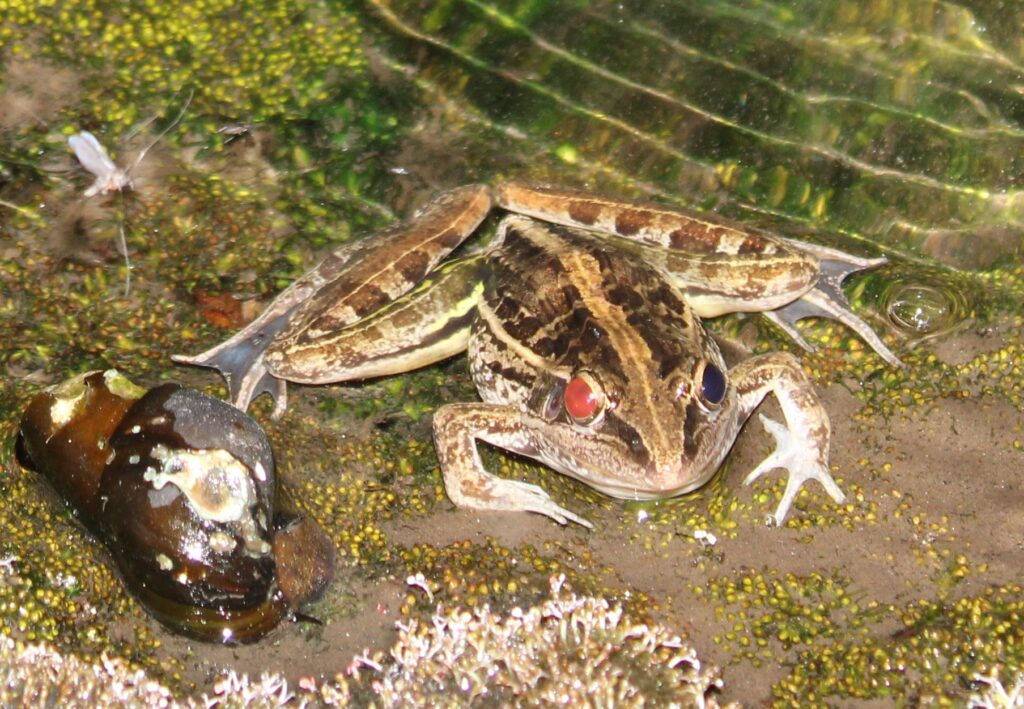
Countries around the world marked World Frog Day on March 20, 2026, a day dedicated to raising awareness about frogs, one of the most important yet neglected groups of species, especially in Cameroon. Despite their critical role in maintaining healthy ecosystems, frog populations continue to decline at an alarming rate.
Across major urban centers such as Douala, Buea, and Yaoundé, rapid urbanization is reshaping natural landscapes. Wetlands are drained, streams diverted, and ponds polluted by plastic waste, untreated sewage, and chemical runoff, destroying vital breeding habitats for amphibians. While these pressures are visible, frogs receive limited conservation attention. Efforts often prioritize larger wildlife, leaving amphibians underfunded and under-researched. This is concerning, as frogs regulate insect populations, support food chains, and serve as early indicators of environmental health.
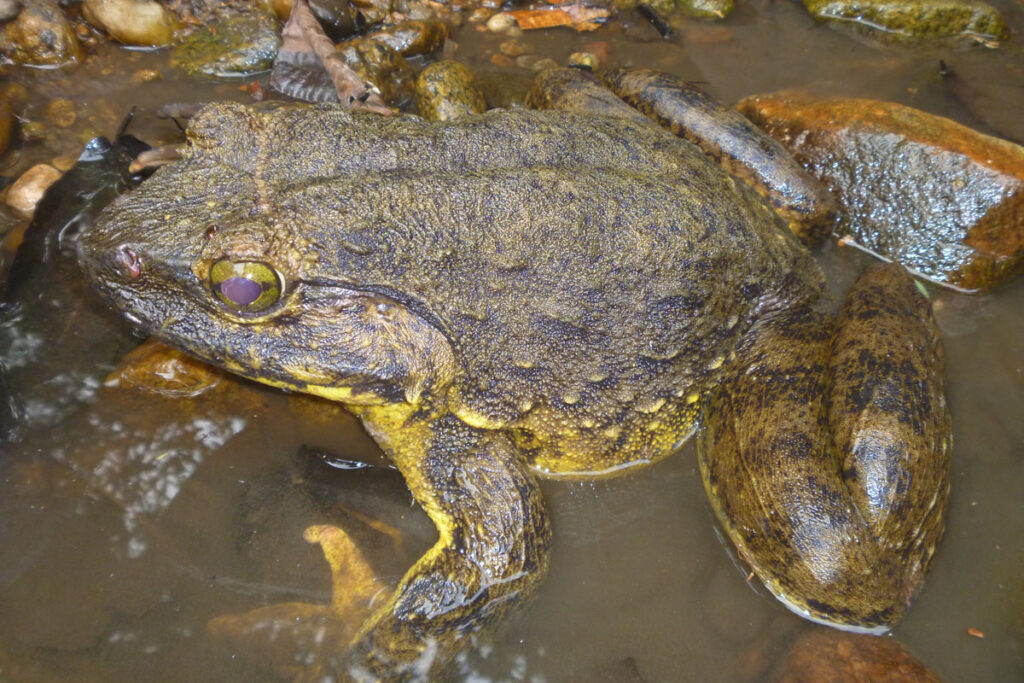
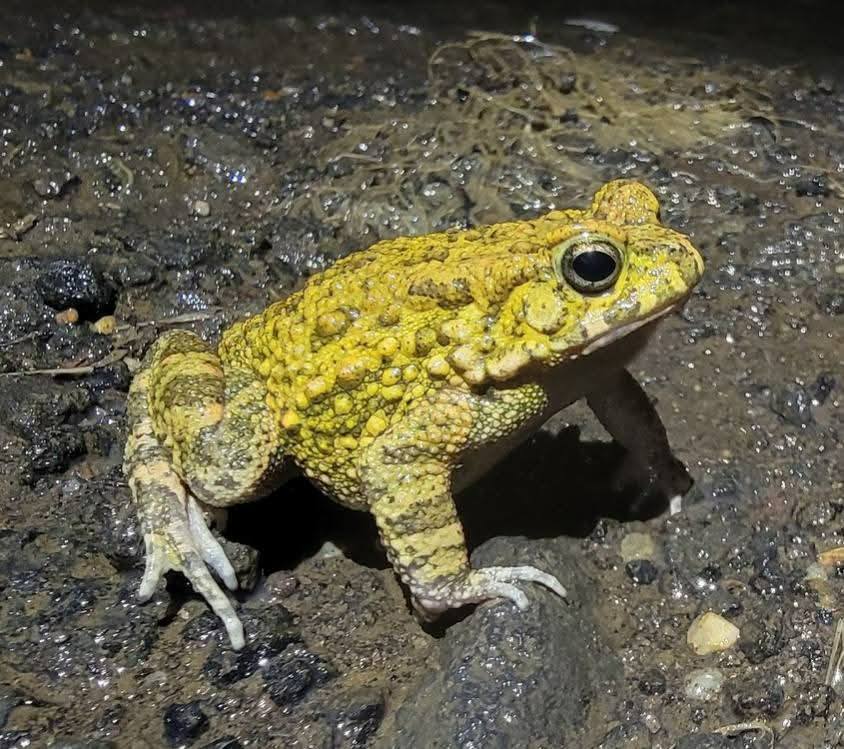
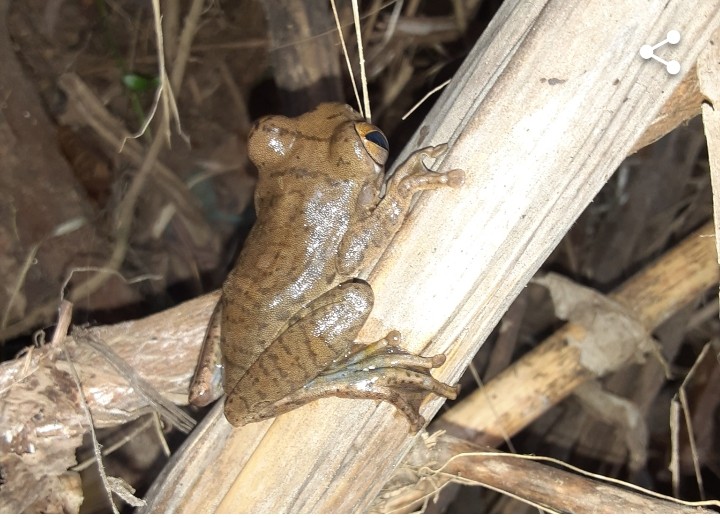
Their vulnerability makes the situation worse. With permeable skin and dependence on both land and water, frogs are highly sensitive to pollution. Exposure weakens their immunity, disrupts reproduction, and increases susceptibility to diseases such as Chytridiomycosis. In biodiversity-rich areas like Mount Cameroon, Mount Nlonako, Mount Muanengouba and Mount Mbam landscapes, threats such as deforestation and climate stress further endanger frog populations.
Voice of Nature (VoNat), a Cameroon-based amphibians and primates conservation organization is driving community-led conservation actions via habitats restoration, waste management, conservation education and awareness raising and citizen science initiatives. As World Frog Day reminds us, protecting frogs is essential. Their survival is tied to ecosystem health, and urgent action is needed to secure a sustainable future for both biodiversity and people.