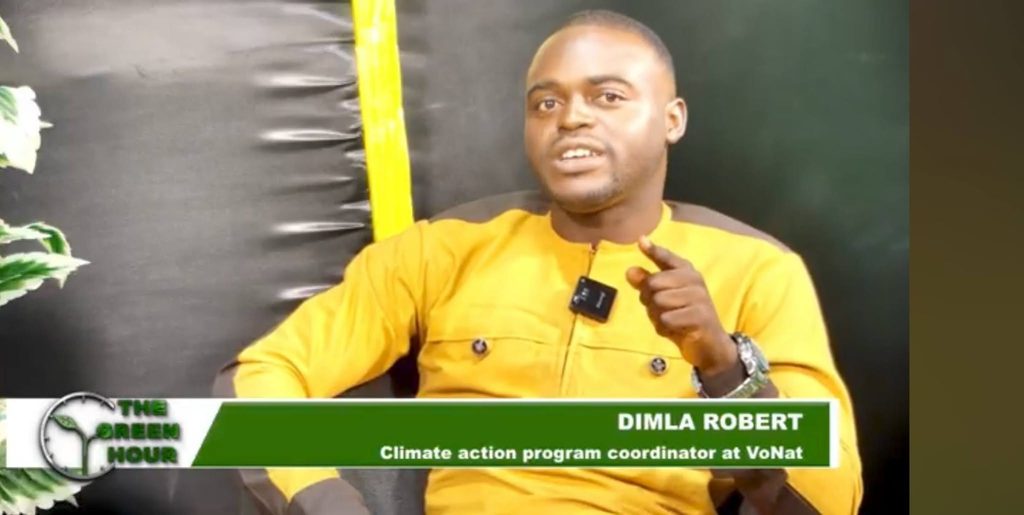
Heavy rainfall on 5 August 2026 triggered devastating floods in the towns of Limbe and Kumba in Cameroon’s South West Region, claiming lives, displacing families and causing widespread damage to homes, businesses and infrastructure. The disaster has once again exposed the growing vulnerability of communities across Cameroon to extreme weather events and highlighted the urgent need to strengthen climate resilience. Speaking recently as a guest expert on Royal TV’s The Green Hour, the Climate Action Programme Coordinator at Voice of Nature (VoNat), Dimla Robert, examined the causes and impacts of recurrent flooding in Cameroon and highlighted practical, community-centred approaches to reducing disaster risks.
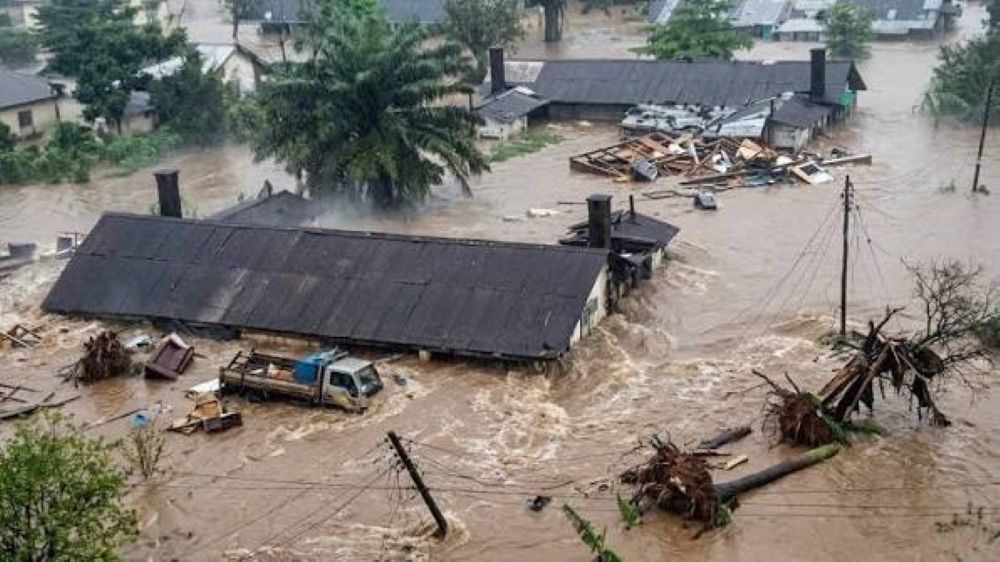
Robert explained that flooding becomes destructive when the natural pathways through which water moves are overwhelmed or blocked. Unplanned urban development, construction along waterways and inadequate drainage can prevent rainwater from following its natural course, turning intense rainfall into destructive surface runoff.
The challenge is becoming more pronounced as climate change alters rainfall patterns. Short, intense downpours can deliver large volumes of water within a very short period, exceeding the capacity of soils to absorb water and placing additional pressure on drainage and other urban infrastructure.
“One of the most visible and preventable contributors to flooding is plastic waste. When single-use plastics and other waste are discarded into gutters and drainage channels, they accumulate and obstruct the movement of water. Water will always seek a pathway. When its normal route is blocked, floodwater can be diverted into homes, neighbourhoods and major roads. This makes responsible waste management more than an environmental concern; it is also an important disaster-risk reduction measure,” Mr. Dimla explained.
The discussion also highlighted the connection between flooding, deforestation and land degradation, particularly around Mount Cameroon. “Trees and other vegetation help stabilize soils and reduce erosion on steep slopes. When forest cover is removed, heavy rainfall can more easily wash away exposed soil and increase the risk of destructive sediment flows. In volcanic landscapes such as Mount Cameroon, intense rainfall can also contribute to dangerous lahars, volcanic mudflows consisting of water mixed with ash, soil and other volcanic material. Protecting forests and restoring degraded slopes therefore form an important part of building resilience to extreme rainfall and related hazards,” he noted.
From reacting to disasters to reducing risk
For Dimla Robert, building resilient communities requires a proactive and shared approach rather than relying primarily on emergency response after disasters occur.
Government and local councils have a critical role to play through stronger urban planning and enforcement, protection of wetlands and natural drainage areas, and the clearing and maintenance of drainage systems before the rainy season reaches its peak.
Communities and households also have an important role. Responsible waste disposal, neighbourhood clean-up campaigns and community-led tree planting, particularly along vulnerable slopes and degraded areas, can help reduce local flood and erosion risks.
The message is clear: climate resilience cannot be achieved by one actor alone. It requires coordinated action that combines better planning and infrastructure with ecosystem protection and active community participation.
The floods that struck Limbe and Kumba are a stark reminder that Cameroon must invest more urgently in anticipating and reducing climate-related risks. As extreme rainfall events continue to threaten vulnerable communities, strengthening local preparedness, protecting natural ecosystems and addressing the human factors that amplify flooding will be essential to building safer and more resilient towns and cities.
VoNat thanks Royal TV, Buea, The Green Hour host Nanga’a Sonia, and all those who contributed to the discussion on flooding, climate change and disaster resilience in Cameroon.
Watch the full interview with Dimla Robert on Royal TV’s The Green Hour: