Stakeholders in Cameroon’s South West Region’s forestry and conservation sector have called for urgent, accelerated forest restoration efforts, as they convened in Buea to mark the International Day for Forests. The commemorative event, held on March 19, 2026 at Government High School (GHS) Bokwango, brought together government officials, conservation actors, civil society organizations, and students to reflect on the critical role forests play in both environmental sustainability and economic development.
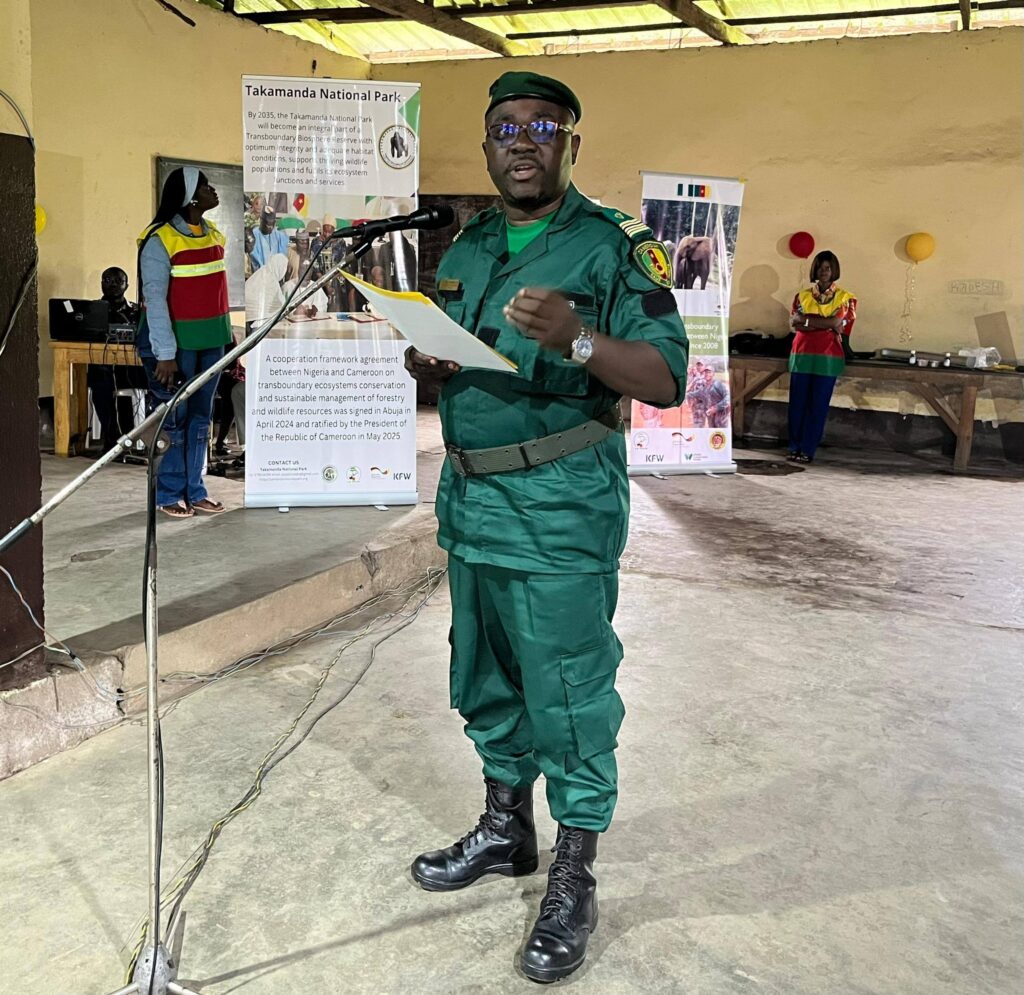
Organized under the auspices of the Governor of the South West Region, represented by Acha Gilbert Nkweti , the event saw the participation of the South West Regional Delegation of the Ministry of Forestry and Wildlife (MINFOF), alongside conservation actors and civil society organizations including Voice of Nature (VoNat). Celebrated every March 21, the 2026 edition of the International Day of Forests was observed under the theme “Forests and Economies.”
Speaking during the event, Acha Gilbert Nkweti stressed that forest conservation is not only an environmental priority but also a strategic pathway to sustainable development, emphasizing its role in economic growth, job creation, and community wellbeing. His remarks reinforced the need for stronger collaboration between government, communities, and conservation partners to ensure that forest resources continue to support livelihoods while remaining sustainably managed.
In his keynote address, the Regional Delegate of MINFOF South West, Mr. Christian Manga Bell Epie. highlighted the immense economic value of forests globally and nationally, noting that “forests remain a key pillar of Cameroon’s economy, contributing nearly 4% to the national GDP and generating approximately 60 billion CFA francs annually in revenue”. He explained that beyond formal employment, the sector supports countless livelihoods through informal activities and small-scale enterprises. He further emphasized the importance of Non-Timber Forest Products such as bush mango, charcoal, medicinal plants, honey, and rattan, which provide essential income and food security for local communities across the South West Region.
Despite these benefits, the MINFOF South West Regional Delegate and other stakeholders raised concerns over increasing threats to forest ecosystems, including deforestation, shifting cultivation, unsustainable logging practices, and infrastructure development with high carbon footprints. These pressures, compounded by climate change and the ongoing socio-political challenges in the region, have significantly impacted forest restoration governance and reduced revenue from logging activities. Sensitive ecosystems such as the Mount Cameroon watersheds are increasingly under threat, highlighting the urgent need for coordinated conservation and actions.
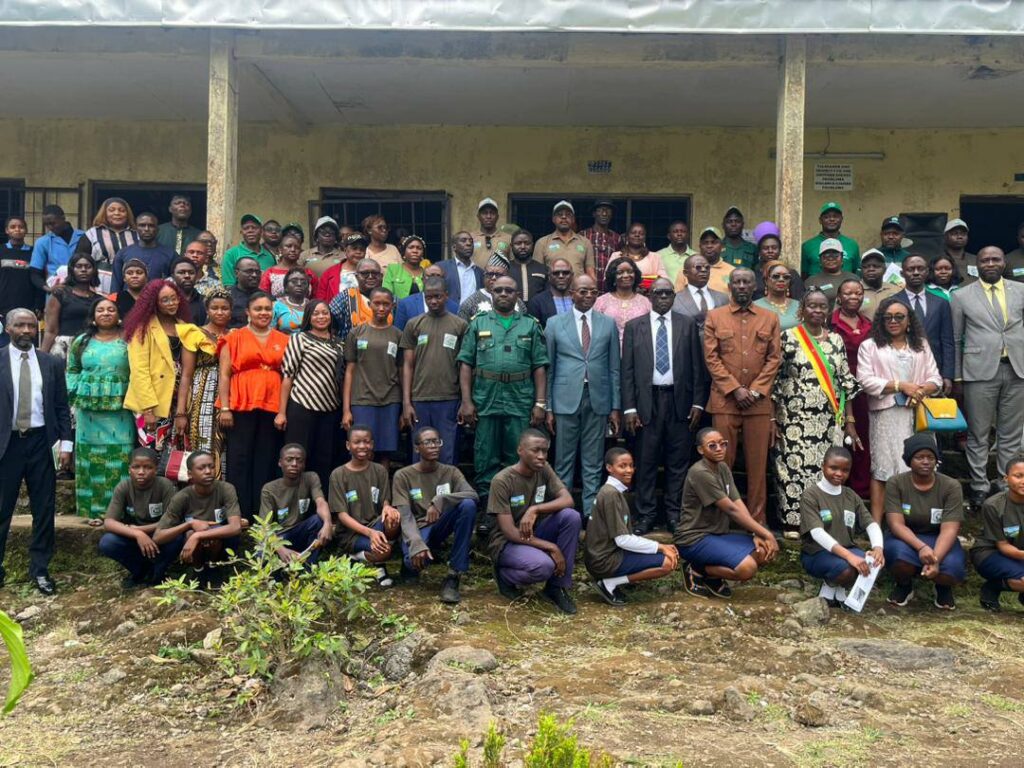
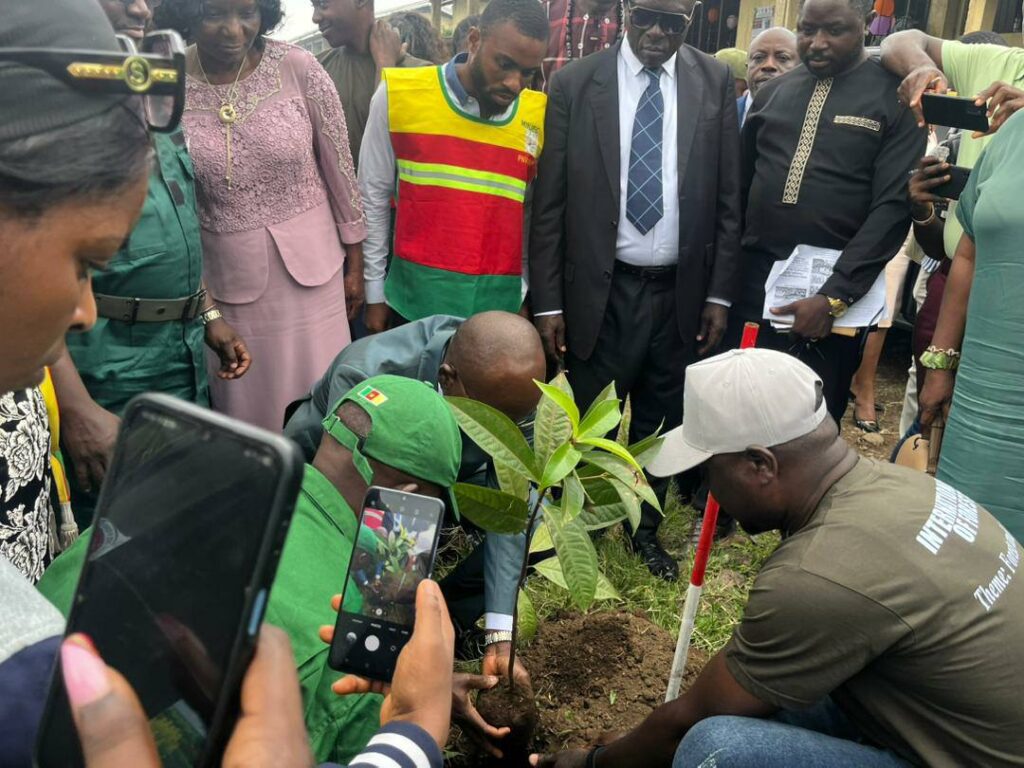
The event also showcased the role of youth in environmental stewardship, with students presenting poetry, drama, and music carrying strong conservation messages. These performances were followed by a symbolic tree-planting exercise, demonstrating a shared commitment among stakeholders to restore degraded forest landscapes.
As the 2026 theme “Forests and Economies” resonated throughout the commemoration, participants emphasized that meaningful progress will require sustained investment, stronger policy enforcement, and deeper community involvement. The event ultimately served as a reminder that restoring the forests of Cameroon’s South West Region demands urgent, coordinated action that extends far beyond a single day of celebration.