Communities on the southwestern flank of the Mount Cameroon landscape have expressed strong support for Voice of Nature (VoNat)’s Agroforestry Buffers and Community Awareness for Human–Elephant Co-existence Initiative, reaffirming their commitment to working with conservation partners to reduce human–elephant conflict through community-led, nature-based solutions. Implemented in communities surrounding the West Coast Cluster of Mount Cameroon National Park, the initiative seeks to promote peaceful coexistence between people and the African Forest Elephant, a highly threatened species whose habitat increasingly overlaps with expanding farms and settlements. As elephants move in search of food, crop destruction, loss of household income, and safety concerns for farmers, schoolchildren, and local residents have become recurring challenges.

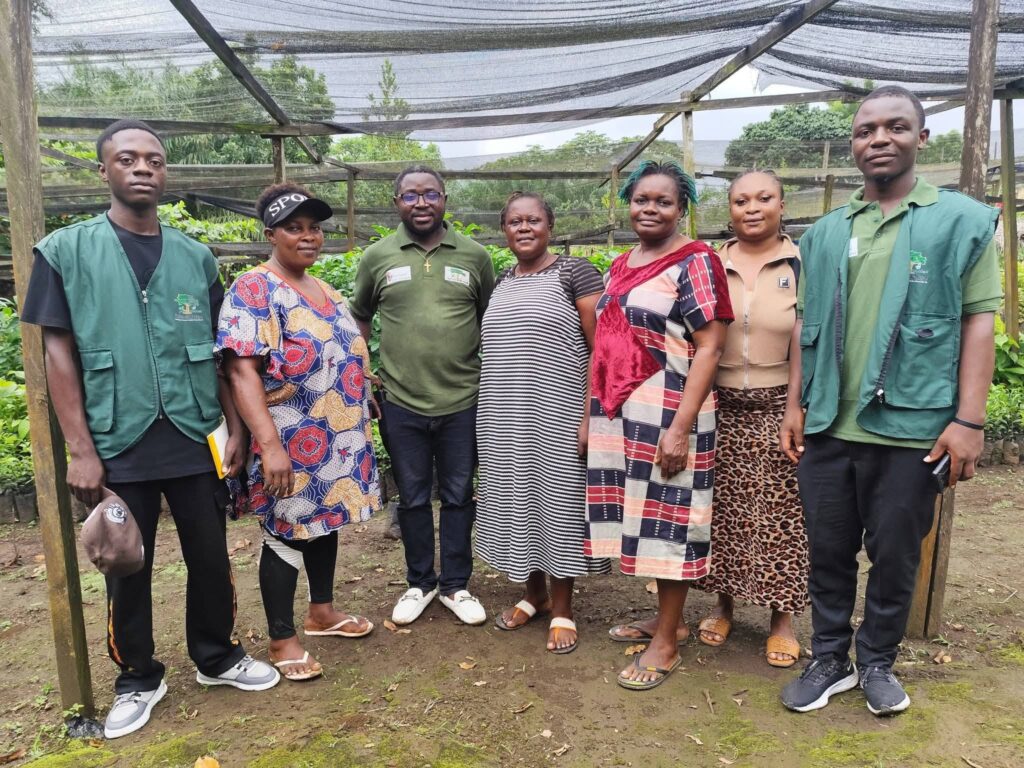
During a recent community engagement visit, VoNat met with traditional leaders, farmers, and local residents to introduce the project and discuss practical strategies for protecting both livelihoods and wildlife. His Royal Majesty Chief Elive Joseph Mokunya, Chief of Bakingili, confirmed that elephants regularly move through several parts of the community, with well-established movement corridors crossing farms and settlements. He explained that elephants have become such a common presence that some residents jokingly refer to them as “domestic animals.” Despite this familiarity, the Chief acknowledged that elephants continue to pose significant threats to human safety, agricultural production, and household livelihoods through crop destruction and occasional encounters with residents.
Funded by the New England Biolabs Foundation, the initiative will support farmers and schools in establishing agroforestry buffer zones using elephant-deterring plant species such as lemongrass, ginger, and thorny citrus. These environmentally friendly, low-cost buffers are expected to reduce crop raiding while improving soil health, enhancing biodiversity, and providing additional income through the harvest and sale of the planted crops. Similar approaches have successfully reduced human–elephant conflict in countries including Kenya, Tanzania, India, and Sri Lanka, and VoNat is piloting the model to assess its effectiveness in the Mount Cameroon landscape.
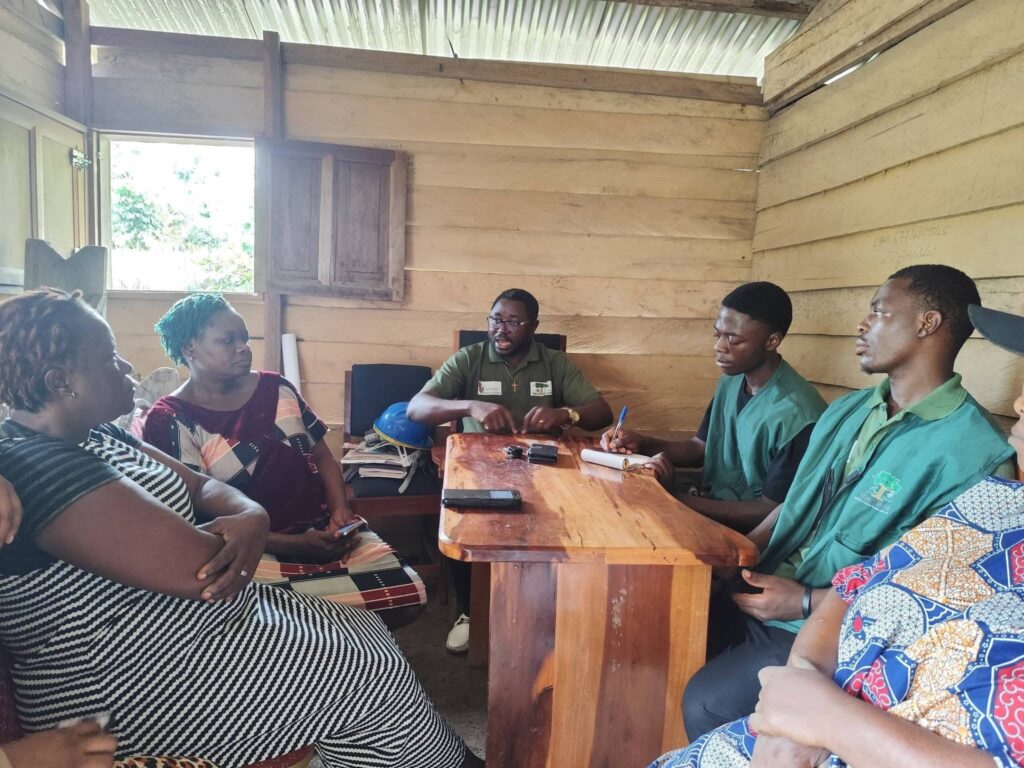
His Royal Majesty warmly welcomed the initiative, noting that an earlier attempt to reduce human–elephant conflict through chilli pepper cultivation had not achieved the desired results. He expressed optimism about VoNat’s proposed approach and pledged to facilitate community engagement activities and encourage local participation to support the successful implementation of the project.
Beyond establishing agroforestry buffers, the project will train farmers, teachers, students, and community members on elephant behaviour, conflict prevention, and safe responses during elephant encounters. Community awareness campaigns, radio outreach, and the installation of warning signboards at key elephant crossing points will further strengthen local preparedness and promote coexistence.
By working hand in hand with communities, Voice of Nature continues to advance practical conservation solutions that protect livelihoods, improve community safety, and conserve one of Cameroon’s most iconic wildlife species for future generations.
By Ndimuh Bertrand Shancho