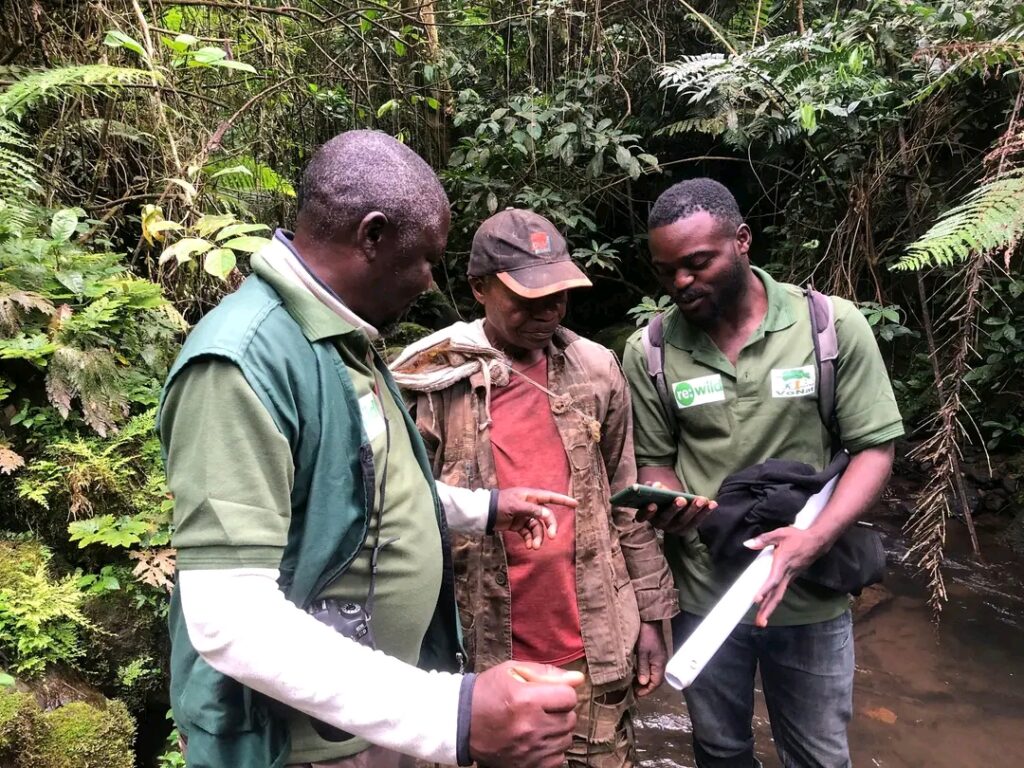
Voice of Nature (VoNat) has officially entered the second phase of its participatory research on the distribution and ecological threats facing the Goliath frog (Conraua goliath), the world’s largest frog species, endemic to parts of Cameroon and Equatorial Guinea.
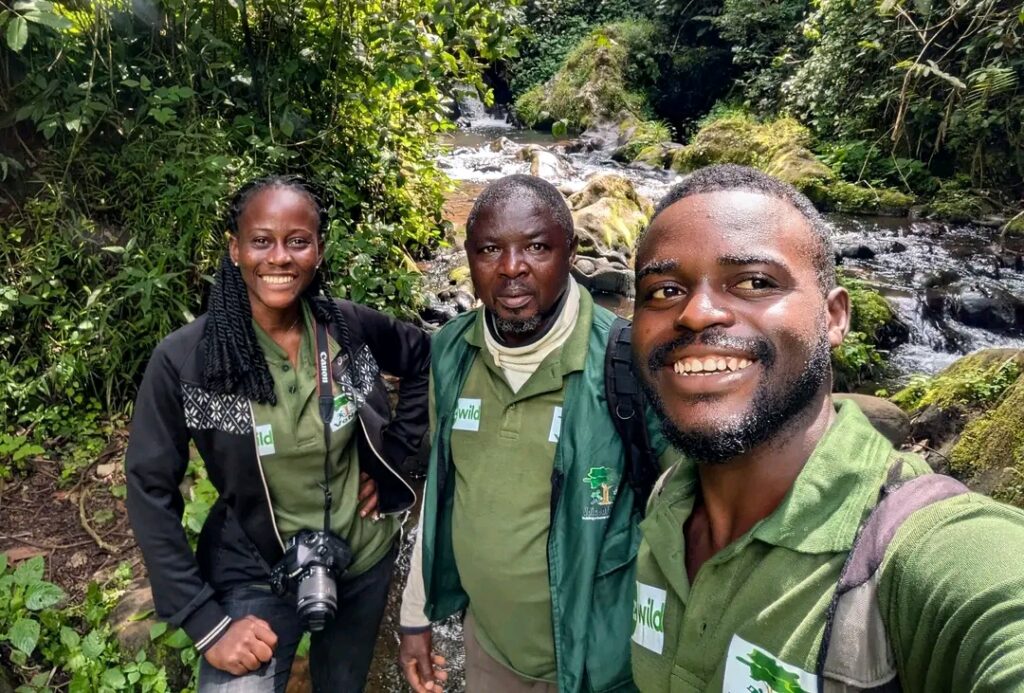
From June 9 to 12, the VoNat research team extended their fieldwork to Nlonako Subdivision, collecting data in five communities: Ndoungue, Ekuhuck, Mambellion, Manengouba 1, and Manengouba 2, with three more communities left. This phase builds upon over three months of prior work in Manjo Subdivision, where initial assessments were carried out in Manengoteng, Ngol, Lala Mission, Njumbeng I, Abang, Lala Village, and Lowe.
The research focuses on mapping Goliath frog hot spots and conducting community storytelling sessions, which have provided fresh insights into local ecological knowledge, attitudes, and practices surrounding the frog. This approach has proven instrumental in identifying threats while fostering community engagement in conservation.
“We need to better understand the threats this emblematic species is exposed to and engage local communities in developing solutions they believe are suitable,” said Ndimuh B. Shancho, VoNat’s Executive Director. “The data from Nlonako and Manjo offer valuable insights into the frog’s plight and will help us tailor conservation strategies to local realities,” he added.
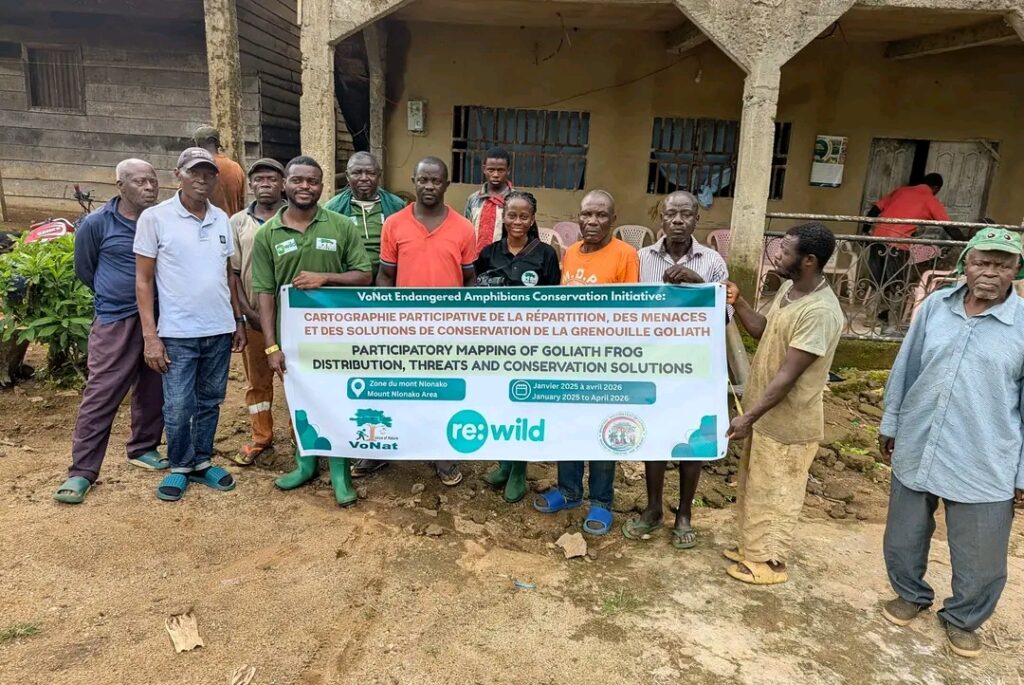
Phase one of the study identified key threats such as over hunting, pollution, and deforestation in Manjo. Similar threats were observed in Nlonako communities, with slight variations depending on landscape use and community livelihoods.
Chief Ewane Clement of Ndoungue emphasized the importance of alternative livelihoods in reducing pressure on frog populations: “If youths in over hunting-prone areas are supported with alternative sources of income, like motorbike riding or sustainable farming, then the pressure on the frog population could be significantly reduced.”
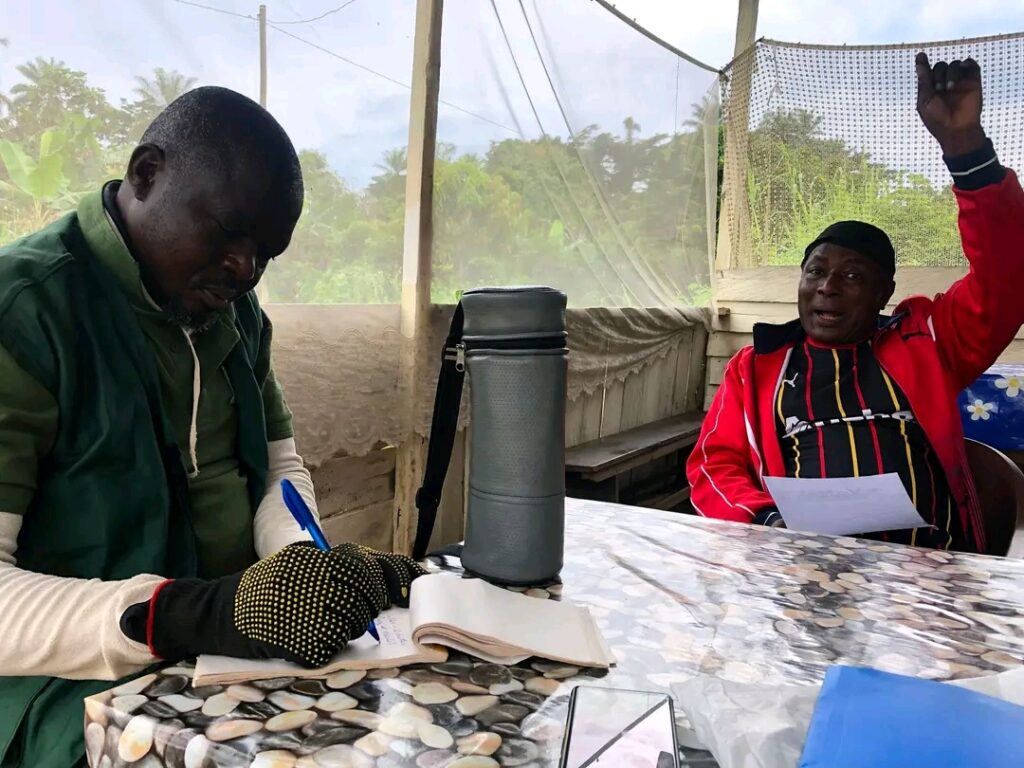
This research is part of VoNat’s Amphibian Conservation Initiative, funded by Re:wild, and is designed to strengthen community-led conservation efforts through a mix of field surveys, participatory mapping, and knowledge exchange.
The initiative not only aims to protect the Goliath frog, a flagship species in the Mount Nlonako area, but also to foster local stewardship and promote sustainable coexistence with biodiversity species in the area.
Jabi Katy Chale