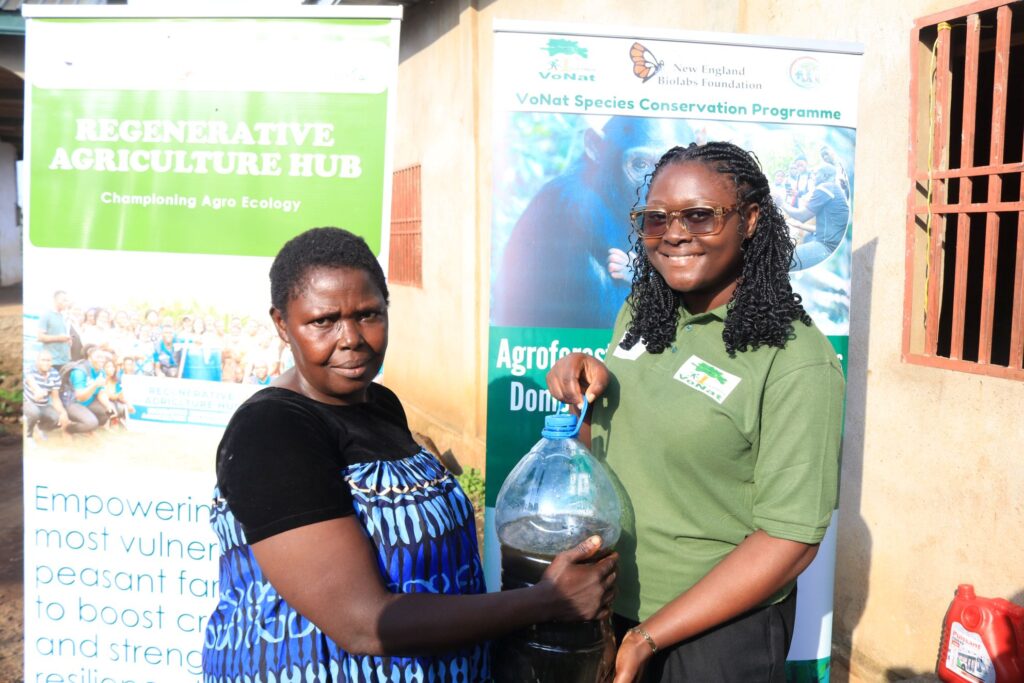
At the foot of Mount Cameroon, Manyi Monica, a smallholder farmer from the Bwitingi community, is inspiring a quiet agricultural revolution, one rooted in sustainability, health, and community pride. A few years ago, Monica had never heard of organic liquid fertilizer, nor imagined how much it would transform her farming life. Today, her flourishing vegetable gardens and rising market demand for her produce tell a story of resilience, learning, and innovation.
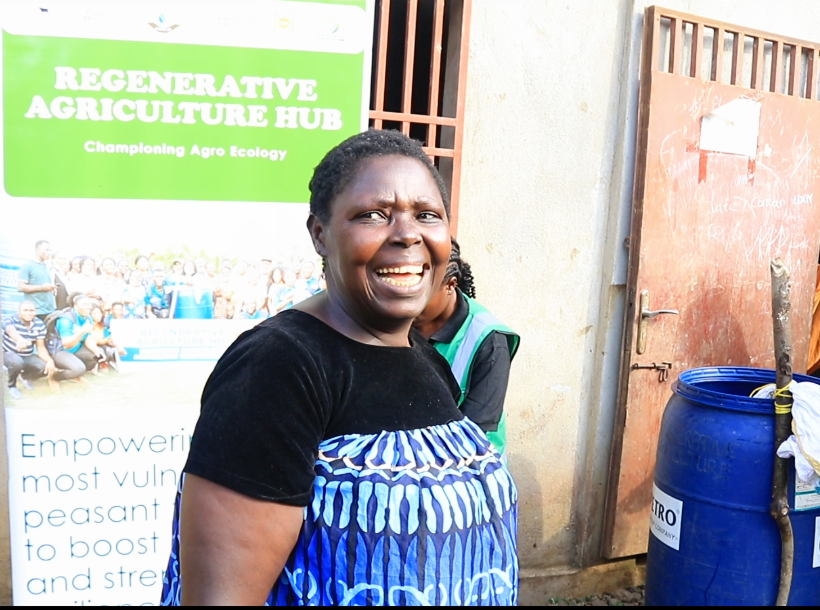
“Before the training, I had no idea about organic liquid fertilizer. But ever since I started using it, my crops have been doing well. I harvest much, and the vegetables grow strong and healthy,” Monica shared with quiet pride.
Trained in regenerative agriculture techniques by Voice of Nature (VoNat) in collaboration with the Regenerative Agriculture Hub of Nkwa4Change Solutions, Monica quickly adopted the use of organic fertilizer made from locally sourced natural materials. She credits the approach not only for improving soil fertility and crop yields, but also for giving her a competitive edge in the local market.
“Mami Monica does not use any other fertilizer, just the organic liquid one,” noted Nde Zita Margeno, a fellow farmer. “She sells her vegetables at a higher price because people know they are safe to eat. I can’t wait to start using it on my own farm,” Nde Zita added
This market trust has strengthened Monica’s livelihood and encouraged others to adopt sustainable practices. Her consistent results have made her a local ambassador for organic farming, admired for blending traditional farming wisdom with modern regenerative techniques.
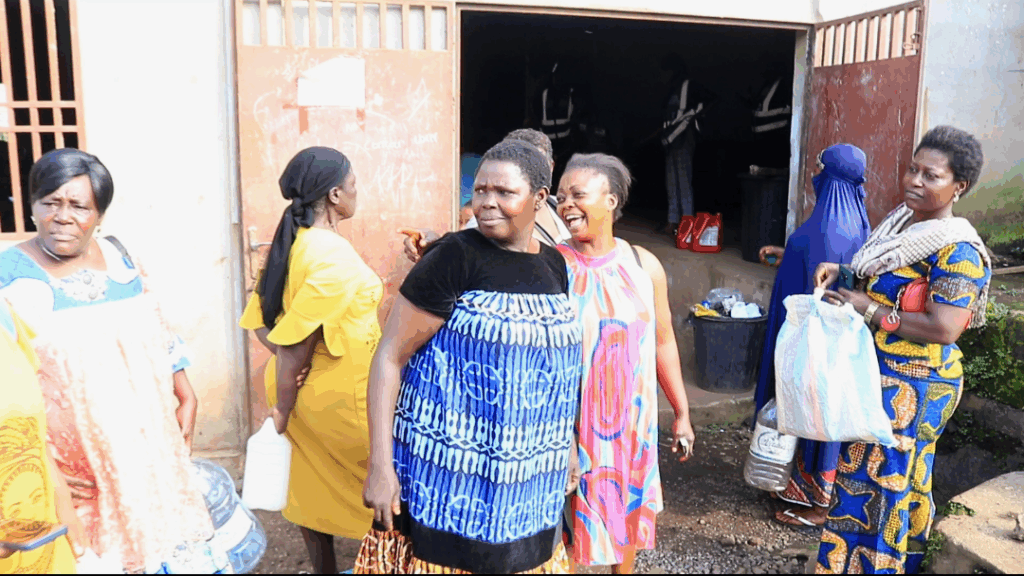
Monica recently joined a refresher training organized in June 2025 to enhance her knowledge and refine her application techniques. The training is part of a larger initiative under VoNat’s Mount Cameroon Endangered Species Conservation Programme, which promotes Eco-friendly agriculture as a solution to land degradation and biodiversity loss in the Mount Cameroon National Park buffer zones.
The initiative not only improves farmer livelihoods, but also contributes to the conservation of endangered species by reducing harmful farming practices such as deforestation, chemical pollution, and soil exhaustion.
“Stories like Monica’s show the real impact of regenerative agriculture. They give us hope that sustainable farming can transform both communities and ecosystems,” said Ndimuh B. Shancho, Executive Director of VoNat.
As more farmers like Monica embrace this green shift, her story stands as a testament that farming can be both profitable and sustainable, a path that protects nature, feeds families, and builds resilient communities.
Jabi Katy Chale